Writing Great Fiction
0.00 ৳
0.00 ৳
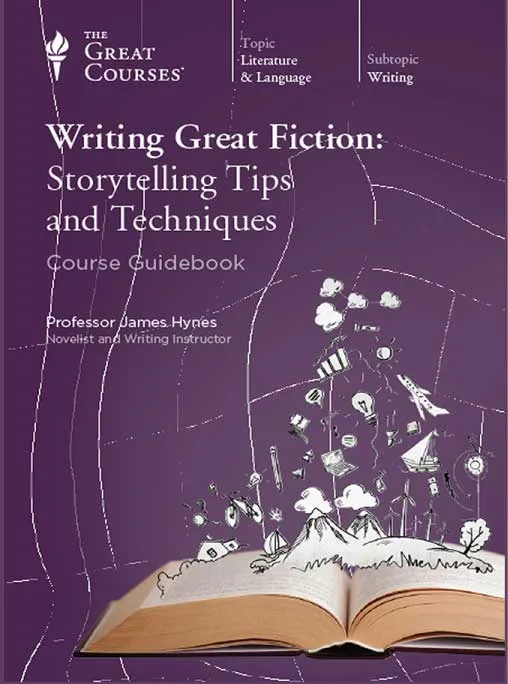
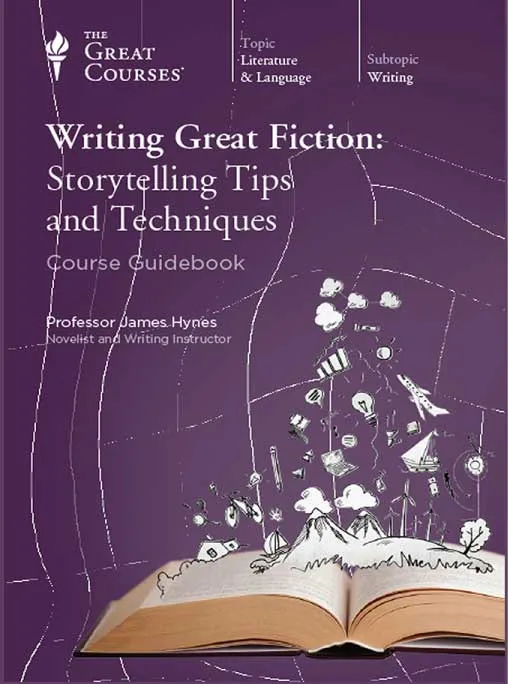
"Writing Great Fiction: 11 Steps to Writing a Bestselling Novel" by James McCreet (or the similarly titled Great Courses series by James Hynes) is a masterclass in the technical mechanics of storytelling.
Unlike many "inspirational" writing books that focus on "finding your muse," these resources focus on the architecture of a narrative. They deconstruct how classic and modern masterpieces are built, brick by brick.
The central argument is that great writing isn't just a mystical gift; it is a deliberate craft that can be studied and mastered. It emphasizes that a reader’s emotional response is usually the result of a writer’s technical precision.
The book/course typically breaks down the "DNA" of a story into these essential elements:
The Narrative Voice: Choosing between First Person ("I"), Second Person ("You"), or Third Person ("He/She"). It explores the "distance" between the narrator and the reader.
Character Arc vs. Plot: Plot is what happens; the character arc is how the protagonist changes because of what happens. Great fiction requires both to be intertwined.
The Inciting Incident: This is the moment the "Normal World" is shattered. Without a strong inciting incident, a story lacks a "hook."
Dialogue with Purpose: In great fiction, dialogue is never just "small talk." It should always do one of two things: reveal character or advance the plot.
These resources often dive into the "invisible" tools that professional writers use:
Pacing and Tension: How to use sentence length and chapter breaks to control the reader's heartbeat.
The "Iceberg Theory": (Popularized by Hemingway) The idea that 7/8ths of your character's history should be underwater (unspoken), with only the tip showing in the prose.
Theme through Imagery: How to use recurring symbols (like the green light in The Great Gatsby) to reinforce the book's deeper meaning without being "preachy."
Most "Writing Great Fiction" guides rely on a classic structural model to ensure the story doesn't "sag" in the middle.
Getty Images Explore
| Phase | Purpose |
| The Hook | Grabbing the reader in the first ten pages. |
| The Midpoint | A major twist where the hero stops reacting and starts acting. |
| The Dark Night of the Soul | The moment where all seems lost before the final push. |
| The Resolution | Closing the loops and showing the "New Normal." |
They Kill "Writer's Block": By treating writing as a series of problems to be solved, they give you a roadmap when you get stuck.
They Improve Self-Editing: They teach you how to look at your own work with the "cold eye" of an editor.
They Demystify Success: They show that bestsellers aren't accidents; they are built on foundations of tension, stakes, and resonance.
The most common takeaway from these resources is:
"Write for yourself in the first draft; rewrite for your reader in the second."