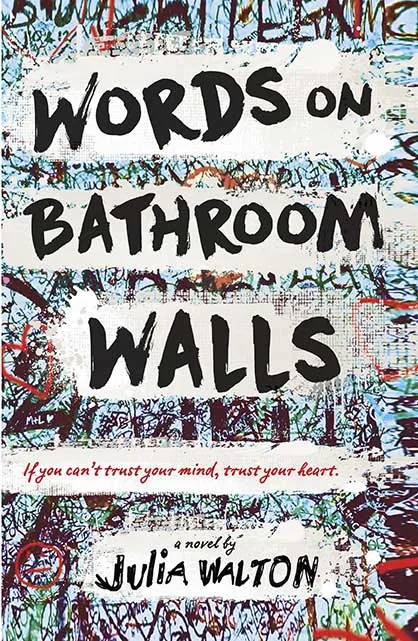
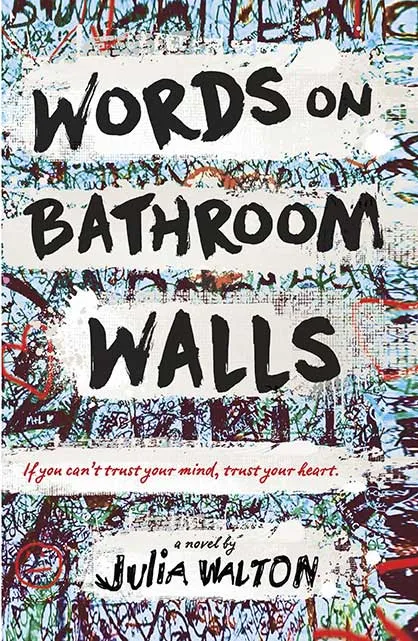
Words on Bathroom Walls by Julia Walton
0.00 ৳
0.00 ৳
Julia Walton’s "Words on Bathroom Walls" (2017) is a poignant, humorous, and deeply moving Young Adult novel that tackles the complexities of living with Schizophrenia. Written in an epistolary style (a series of letters), the book provides an intimate, first-person perspective that challenges the stereotypes often associated with severe mental illness.
The story was also adapted into a well-received feature film in 2020.
The story follows Adam Petrazelli, a high school student who has been diagnosed with schizophrenia. He sees and hears people who aren't there—most notably a group of "hallucinations" that act as a sort of Greek chorus to his life.
The Treatment: Adam is enrolled in a clinical trial for a new drug called Tozaprex, which promises to "quiet the voices."
The New Start: He transfers to a private Catholic school for a fresh beginning, where he meets Maya, a brilliant and fiercely independent girl who challenges him to step out from behind his diagnosis.
The Secret: Adam is terrified that if people find out about his condition, they will see him as a "monster" or a "school shooter" trope, so he fights to keep his hallucinations a secret.
Stigma and Perception: The title refers to the cruel things people write about those they don't understand. Adam is acutely aware of how society views mental illness and struggles with self-loathing because of it.
The Unreliable Narrator: Because we are inside Adam’s head, the reader experiences his hallucinations alongside him. This creates a unique sense of empathy, as we feel his confusion and frustration when the lines between reality and delusion blur.
Identity Beyond Diagnosis: A major arc of the book is Adam realizing that he is a chef, a son, and a boyfriend—not just "a schizophrenic."
The Burden of "Being Normal": The book explores the physical and emotional toll of trying to pass as "typical" while dealing with a neurological storm.
Instead of vague shadows, Adam’s hallucinations are distinct characters, which helps the reader understand the "noise" in his brain:
Rebecca: A calm, hippie-like girl who offers "zen" but often unhelpful advice.
The Mob: A group of rowdy, aggressive men who represent Adam's intrusive and violent thoughts.
Jason: A polite, sweater-vest-wearing teen who is perhaps the most "grounded" of his visions.
It Uses Humor to Heal: Despite the heavy subject matter, Adam is incredibly funny. His dry wit and sarcasm make the story accessible and prevent it from becoming a "misery memoir."
Humanizing Schizophrenia: It moves away from the "dangerous" or "genius" tropes often seen in media, showing a boy who just wants to go to prom and cook great food.
The Support System: The book highlights the importance of family (specifically Adam's mother and stepfather) and the role of honest communication in recovery.
Fans of "The Perks of Being a Wallflower" or "It’s Kind of a Funny Story."
Anyone looking for a contemporary YA novel that balances a sweet romance with serious social issues.
Readers interested in learning about mental health through a compassionate, non-clinical lens.
"It’s a story about the bravery it takes to be honest with the people you love, and the realization that you don't have to be 'cured' to be worthy of a happy life."