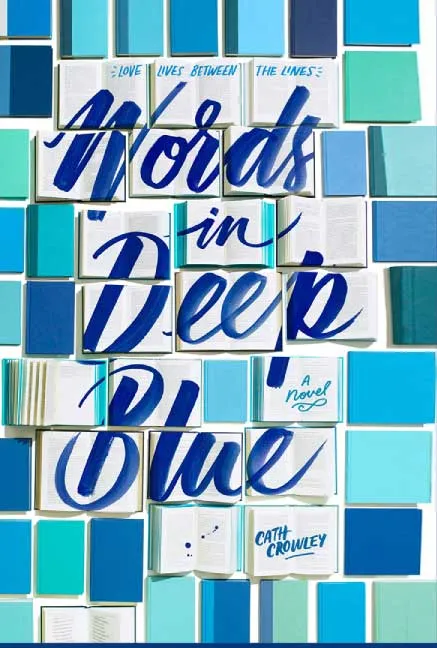
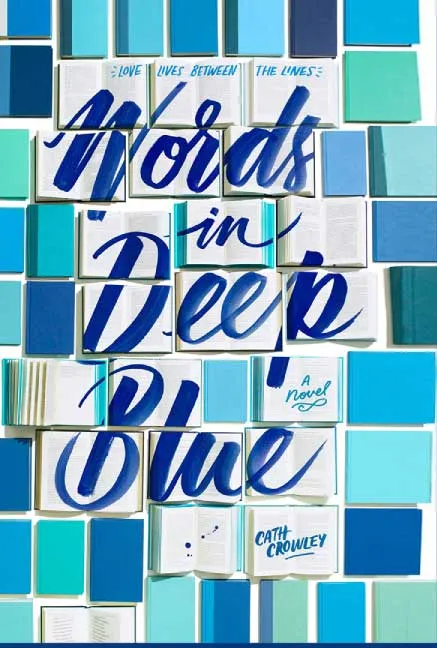
Words in Deep Blue by Cath Crowley
0.00 ৳
0.00 ৳
Cath Crowley’s "Words in Deep Blue" (2016) is a lyrical, heartbreaking, and ultimately hopeful Young Adult novel set in the atmospheric world of a second-hand bookstore. It is a story about grief, the power of words, and the connections we leave behind in the pages of our favorite books.
The novel is famous for its unique setting—the Letter Library—a place where people leave notes, letters, and secrets tucked into the books they love.
The story centers on Rachel Sweetie and Henry Jones, who were best friends until Rachel moved away.
The Silence: Before she left, Rachel tucked a love letter into Henry’s favorite book in his family’s bookstore, Howling Books. He never responded.
The Return: Years later, Rachel returns to the city after the tragic death of her brother, Cal. She is drowning in grief and has failed her year at school.
The Job: She takes a job at Howling Books, working alongside Henry, who is dealing with his own heartbreak after being dumped by his girlfriend. They must navigate their fractured friendship while surrounded by the "ghosts" of other people's stories.
Grief and Healing: The book is a raw exploration of how people process loss. Rachel’s grief is heavy and physical, and the story shows that there is no "correct" way to move on.
The Permanence of Words: Through the Letter Library, Crowley explores how books act as vessels for our history. A highlighted sentence or a coffee stain becomes a record of who we were when we read it.
Second Chances: Both Rachel and Henry are looking for a way to start over—Rachel from her tragedy, and Henry from his idealized version of love.
The Love of Books: The novel is a tribute to bibliophiles. It treats bookstores as sacred spaces where strangers can connect across time through shared reading.
The most beloved part of the book is the Letter Library section of Howling Books. It is a collection of books that are not for sale. Instead, patrons:
Write in the margins.
Leave letters for strangers or loved ones.
Circle words that speak to their current mood.
Hide mementos between the pages.
Dual POV: The chapters alternate between Rachel and Henry, allowing the reader to see the massive misunderstandings that kept them apart.
Interspersed Letters: The narrative is broken up by actual letters left in the Letter Library by secondary characters and strangers. These "mini-stories" add a beautiful, communal layer to the book.
Atmospheric Prose: Crowley’s writing is often described as "quiet" but emotionally resonant. It captures the dusty, magical feeling of a used bookstore perfectly.
The "Shared Human Experience": By showing the secrets people leave in books, Crowley reminds us that we are never truly alone in our feelings.
Realistic Romance: The relationship between Rachel and Henry isn't perfect or cinematic; it’s built on shared history, mistakes, and slow forgiveness.
A Tribute to the Physical Book: In a digital age, this novel celebrates the tactile nature of paper, ink, and the physical space of a local shop.
"We are the books we read and the things we love."