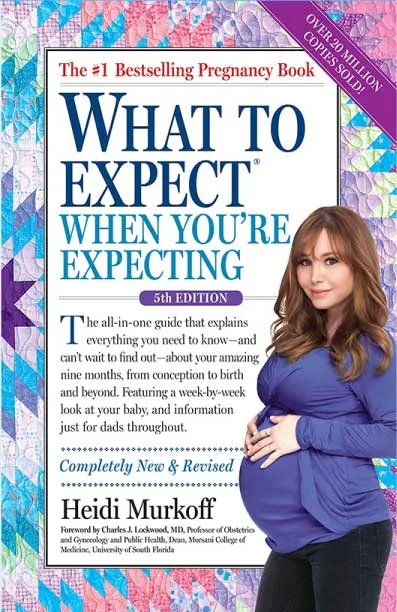
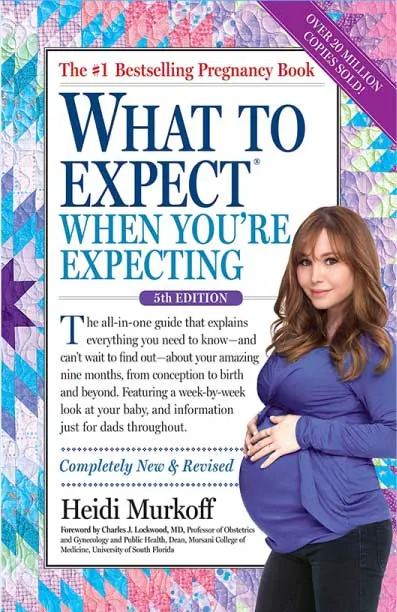
What to Expect When You're Expecting by Heidi Murkoff
0.00 ৳
0.00 ৳
Heidi Murkoff’s "What to Expect When You're Expecting" (first published in 1984) is often called the "Pregnancy Bible." It is one of the best-selling books in American history and has guided millions of parents through the physical, emotional, and practical changes of pregnancy.
Now in its 5th edition, the book is known for its reassuring "Best-Odds Diet," its month-by-month structure, and its comprehensive "What You May Be Feeling" sections.
The book is famous for its chronological organization. Each chapter corresponds to a month of pregnancy, allowing parents to follow along in real-time:
The First Trimester (Months 1–3): Focuses on early symptoms like morning sickness, fatigue, and the first prenatal visits. It explains the critical window of organ development.
The Second Trimester (Months 4–6): Often called the "honeymoon period." It covers "quickening" (feeling the baby move), anatomy scans, and managing the "pregnancy glow" vs. backaches.
The Third Trimester (Months 7–9): Deals with the physical challenges of a growing bump, preparing the nursery, Braxton Hicks contractions, and the "nesting" instinct.
A cornerstone of Murkoff’s philosophy is nutrition. The book provides a structured eating plan designed to maximize the health of both the mother and the baby:
Daily "Nine": A checklist of essential nutrients, including calcium, green leafy vegetables, Vitamin C, and protein.
Safe Eating: Clear guidelines on what to avoid (e.g., high-mercury fish, unpasteurized cheeses, and deli meats) to prevent infections like listeriosis.
Weight Gain: It provides a realistic look at healthy weight gain based on a mother's starting BMI, moving away from the "eating for two" myth toward "eating better for two."
The book acts as a massive FAQ for every possible pregnancy concern:
Common Symptoms: From heartburn and "pregnancy brain" to more serious conditions like gestational diabetes and preeclampsia.
Lifestyle Choices: Advice on exercise (what’s safe and what’s not), travel, sex during pregnancy, and workplace rights.
The Father/Partner's Role: Recent editions include significant sections for partners, addressing their anxieties and how they can best support the birthing parent.
The final sections of the book prepare parents for the "Big Day":
The Birth Plan: Helping parents understand their options for pain management (epidurals vs. natural birth), doulas, and birthing centers.
The Stages of Labor: A step-by-step breakdown of effacement, dilation, pushing, and the delivery of the placenta.
Postpartum (The Fourth Trimester): Crucial advice on healing, breastfeeding basics, and "the baby blues" vs. postpartum depression.
Reassurance: Murkoff’s tone is intentionally calm. The book’s goal is to turn "What if?" anxiety into "What's next?" anticipation.
Accessibility: It uses clear, non-medical language to explain complex biological processes.
Cultural Iconography: It has evolved with the times, including information on IVF, older mothers, and diverse family structures.
"There is no such thing as a 'perfect' pregnancy. This book isn't about doing everything right; it's about knowing what's happening so you can make the best choices for you and your baby."