1453 The Holy War by Roger Crowley
0.00 ৳
0.00 ৳
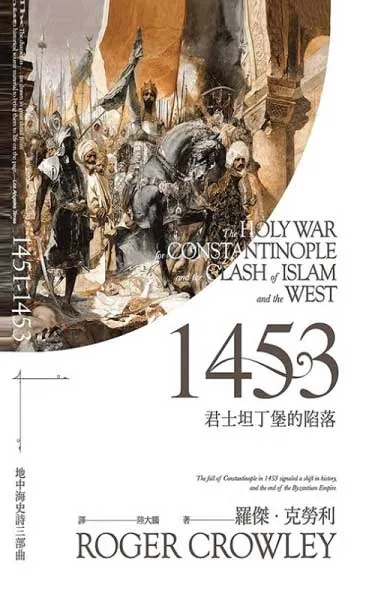
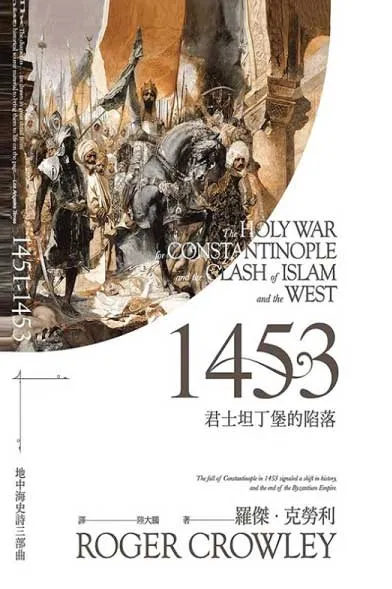
Roger Crowley’s "1453: The Holy War for Constantinople and the Clash of Islam and the West" (also published under the title Constantinople: The Last Great Siege) is a gripping, cinematic account of one of the most transformative events in world history: the fall of the Byzantine Empire.
Crowley, a master of narrative history, turns a complex geopolitical shift into a high-stakes thriller. Here is a breakdown of what makes this book a standout:
The book focuses on the final 53-day siege of Constantinople in the spring of 1453. It pits two formidable leaders against each other in a struggle that was as much about faith as it was about imperial ambition:
Mehmet II: The 21-year-old Ottoman Sultan, driven by a singular obsession to fulfill the Islamic prophecy of conquering the city.
Constantine XI: The last Byzantine Emperor, a tragic and heroic figure leading a dying empire with a handful of defenders against overwhelming odds.
The Clash of Civilizations: Crowley explores the "Holy War" aspect, showing how both sides viewed the conflict through a religious lens—the defense of Christendom versus the expansion of the Islamic Caliphate.
The End of the Middle Ages: The fall of the city is often cited as the closing chapter of the Medieval period. Crowley illustrates this transition vividly, particularly through the use of gunpowder technology.
Military Innovation: The book provides fascinating details on the "super-guns" (colossal cannons) designed by the engineer Orban, and the incredible feat of the Ottomans hauling their ships over land to bypass the Golden Horn chain.
Crowley is known for "history you can feel." His style is:
Atmospheric: You can almost smell the gunpowder and hear the bells of Hagia Sophia.
Balanced: He treats both the Ottoman and Byzantine perspectives with respect, avoiding the "clash of civilizations" caricatures.
Paced like Fiction: Despite being meticulously researched from primary sources (Greek, Italian, and Ottoman), the chapters move with the urgency of a novel.
Historical Impact: It explains how the fall of Constantinople triggered the Renaissance (as Greek scholars fled to Italy) and forced Europeans to look for new sea routes to India, leading to the Age of Discovery.
Human Drama: Beyond the maps and dates, it’s a story of courage, betrayal (the West’s failure to send meaningful help), and the sheer willpower of two men.
"The siege was a contest of technology and endurance, but Crowley reminds us it was fueled by centuries of religious tension. 1453 wasn't just the fall of a city; it was the moment the center of gravity shifted from the Mediterranean to the Atlantic."