

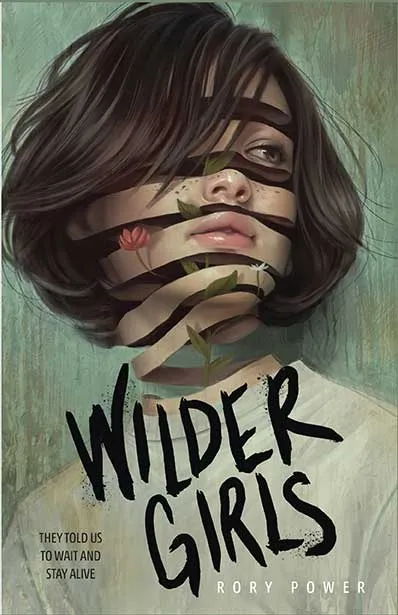
Wilder Girls by Rory Power
0,00 ৳
0,00 ৳
Rory Power’s "Wilder Girls" (2019) is a visceral, feminist "body horror" novel that reimagines the survivalist tropes of Lord of the Flies through a contemporary, eerie lens. Set at a quarantined girls' boarding school on a remote island, it explores how people adapt when their own bodies—and the nature surrounding them—become unrecognizable.
The book gained immense popularity for its atmosphere, its unflinching depiction of physical transformation, and its focus on the fierce bonds between young women.
The Raxter School for Girls has been under quarantine for eighteen months. The island is infected by "The Tox," a mysterious and slow-moving plague that has killed most of the teachers and is now mutating the students.
The Mutations: The Tox doesn't just kill; it changes. One girl might have a second heart beating in her throat; another might have scales or a limb that has fused into something non-human.
The Fence: The girls are forbidden from leaving the school grounds. They wait for a "cure" promised by the Navy, surviving on meager rations delivered by boat.
The Disappearance: When Byatt, the best friend of the protagonist Hetty, goes missing, Hetty breaks quarantine to find her, uncovering the dark truth about the school, the military’s involvement, and the island itself.
Body Horror and Puberty: Many critics view the "mutations" as a metaphor for the terrifying, uncontrollable changes of adolescence. Power leans into the gore, making the physical pain of the Tox feel intimate and raw.
Feminine Survival: The book strips away traditional "polite" girlhood. The characters are jagged, scarred, and often ruthless. It asks: What do you become when the world stops caring if you survive?
Ecological Terror: The island's flora and fauna are also infected. The woods have become a predatory, shifting entity, reflecting a world where nature has revolted against human presence.
Loyalty and Obsession: The central drive is the intense, almost desperate love between Hetty, Byatt, and their friend Reese. It is a story about the lengths one will go to for the person who makes them feel human.
The "Gasping" Prose: Power’s writing is fragmented and rhythmic. It mirrors the breathlessness of the characters and the jagged edges of their environment.
Dual Perspective: The narrative shifts between Hetty on the island and Byatt, who finds herself in a terrifying clinical setting. This creates a "puzzle-box" mystery that keeps the reader guessing about the true nature of the infection.
Atmospheric Dread: The book excels at "environmental storytelling." You can feel the cold of the Atlantic and the rot of the woods in every chapter.
No Easy Answers: Unlike many YA dystopias, Wilder Girls does not offer a clean "chosen one" narrative or a simple cure. It is a story about living with the trauma, not necessarily escaping it.
Queer Representation: The romance in the book is handled with a naturalism that fits the high-stakes environment; it is a vital part of the characters' survival rather than a subplot.
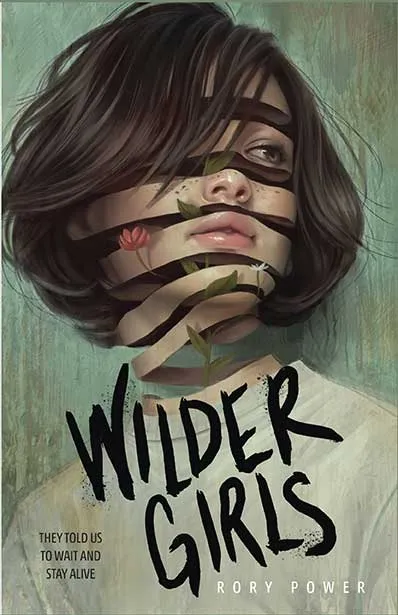
Stunning Aesthetics: The cover art and the vivid descriptions of "silver scales" and "extra eyes" gave the book a strong visual identity that resonated with the "Dark Academia" and "Eerie Nature" trends.
| Feature | Lord of the Flies | Wilder Girls |
| The Conflict | Man vs. Man (Savagery) | Man vs. Nature / Man vs. Self |
| The Danger | Psychological breakdown | Biological mutation |
| The Authority | Absent | Present but deceptive (The Navy) |
| The Bond | Competitive / Tribal | Protective / Intimate |
"It’s not just that we’re changing. It’s that we’re being replaced by something that doesn't need us to stay alive."