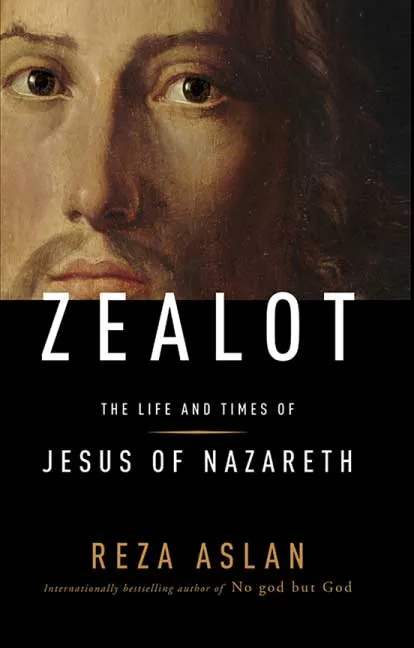
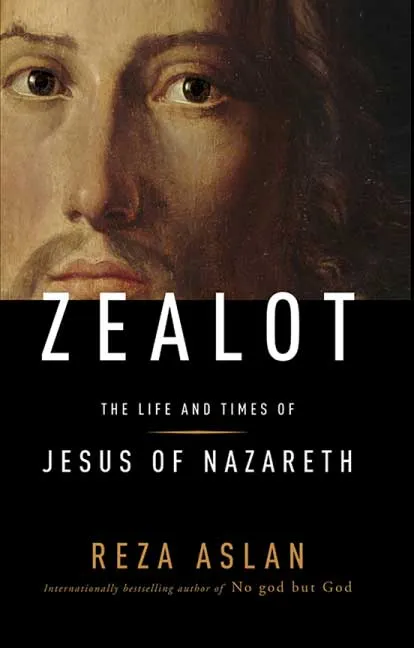
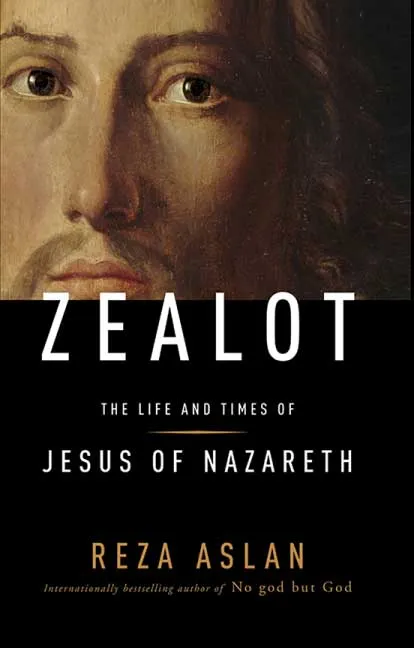
Zealot by Reza Aslam
0,00 ৳
0,00 ৳
Reza Aslan’s "Zealot: The Life and Times of Jesus of Nazareth" (2013) is a provocative and meticulously researched historical biography. It aims to peel back the layers of "Jesus the Christ" (the theological figure) to find the "Jesus of Nazareth" (the historical man).
Aslan, a scholar of religions, portrays Jesus not as a peaceful, detached philosopher, but as a politically conscious revolutionary—a Jewish zealot who was deeply embedded in the turbulent politics of 1st-century Roman-occupied Palestine.
The book’s central thesis is that Jesus was a nationalist who sought to establish the "Kingdom of God" on Earth by liberating the Jews from Roman rule.
The Context: Palestine in the 1st century was a powder keg of religious and political fervor. Dozens of "Messiahs" emerged, promising to overthrow Rome.
The Rebellion: Aslan argues that Jesus's entry into Jerusalem and his cleansing of the Temple were provocative political acts, not just religious ones.
The Crucifixion: In the Roman Empire, crucifixion was a punishment reserved exclusively for political crimes—sedition, rebellion, and treason. By labeling Jesus "King of the Jews," the Romans were executing him as a state criminal.
Jesus vs. Paul: Aslan highlights a tension between the historical Jesus (the Jewish revolutionary) and the version of Jesus promoted by the Apostle Paul (the universal, divine savior). He suggests Paul "de-politicized" Jesus to make the faith more palatable to the Roman world.
The Concept of 'Zealot': The title refers to the "zeal" for the Law of Moses and the sovereignty of God. Aslan explains how this religious fervor naturally led to political resistance.
Historical Reconstruction: The book leans heavily on the social, economic, and political conditions of Galilee and Judea to explain why a peasant carpenter would—and could—spark a movement.
The "Fox News" Interview: The book gained massive fame following a viral interview where the author was questioned about why a Muslim would write a book about Jesus. Aslan’s response—stressing his academic credentials—pushed the book to the top of bestseller lists.
Scholarly Debate: While widely praised for its vivid prose and accessibility, some biblical scholars criticized it for being overly speculative or for ignoring certain theological nuances in favor of a purely political narrative.
Cinematic Storytelling: Aslan writes with the pace of a novelist. He brings the dusty, violent, and vibrant world of 1st-century Palestine to life.
Humanizing Jesus: By stripping away the centuries of dogma, the book presents a human figure who is brave, defiant, and deeply connected to his people's struggle for dignity.
Challenging Assumptions: Whether you are a believer or a skeptic, the book forces you to look at the New Testament through a historical and political lens.
"Aslan’s Jesus is a man of his time—a Galilean peasant who was swept up in the revolutionary spirit of his age and paid the ultimate price for challenging the most powerful empire in history."