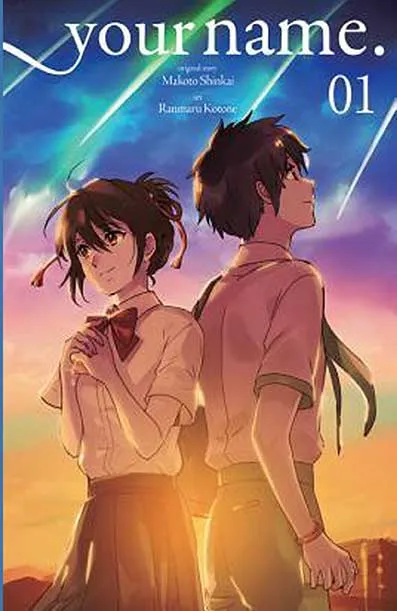
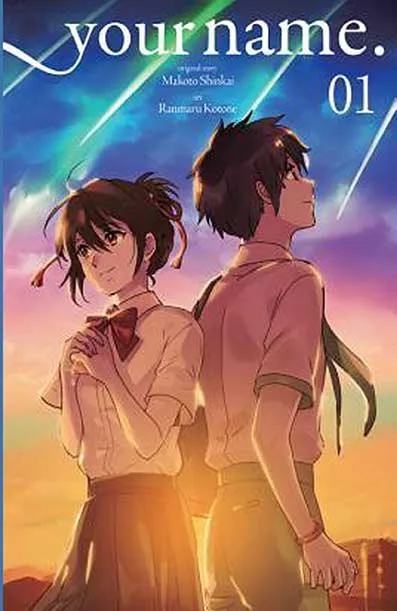
Your Name by Makoto Shinkai
0,00 ৳
0,00 ৳
"Your Name" (Kimi no Na wa), written by Makoto Shinkai, is a novelization of his globally acclaimed 2016 animated film. While many know the story for its breathtaking visuals on screen, the book offers a deeper, more intimate look at the internal monologues of the two main characters.
It is a beautiful blend of a body-swapping comedy, a long-distance romance, and a supernatural mystery tied to Japanese tradition and cosmic events.
The story follows two teenagers who lead completely different lives:
Mitsuha Miyamizu: A high school girl living in the rural, tradition-heavy mountain town of Itomori. She yearns for the excitement of Tokyo.
Taki Tachibana: A high school boy in bustling Tokyo, juggling school, a part-time job as a waiter, and an interest in architecture.
One day, they begin to randomly swap bodies in their sleep. They start leaving notes for each other on their phones and skin to manage their chaotic "alternate" lives, eventually forming a profound, unexplained bond.
Musubi (The Red String of Fate): A central concept in the book is Musubi, the Shinto idea that time, threads, and human connections are all intertwined. Even when separated by space or time, certain souls are destined to find one another.
Memory and Loss: The tragedy of the story lies in the fading of memories. As Taki and Mitsuha wake up, their memories of each other begin to slip away like a dream, creating a desperate race against time.
Tradition vs. Modernity: The contrast between the ancient rituals of Itomori (like making Kuchikamizake wine) and the fast-paced life of Tokyo is a recurring motif.
Environmental Fragility: The arrival of the Tiamat Comet serves as a symbol of both immense beauty and sudden, life-altering destruction.
While the movie is a visual masterpiece, the book provides:
Internal Monologues: You get to "hear" Taki and Mitsuha’s thoughts more clearly, which helps explain their confusion and growing affection during the body swaps.
Subtle Details: Certain cultural nuances and the significance of the Miyamizu family shrine are explained with more depth in the text.
Pacing: The book allows you to linger on the emotional weight of the "search" that Taki undertakes in the latter half of the story.
Universal Longing: Almost everyone has felt the sensation of "searching for something or someone" without knowing exactly what it is. Shinkai captures this feeling of nostalgia for a place you've never been.
Emotional Stakes: What starts as a lighthearted comedy turns into a high-stakes mission to save an entire town from a cosmic disaster.
The book (and the film) famously asks:
"I'm always searching for something, for someone. This feeling has possessed me I think, from that day... that day when the stars came falling."