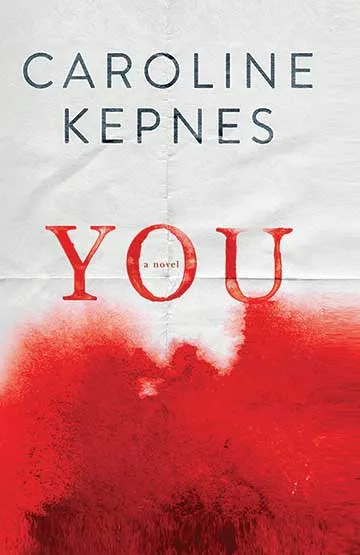
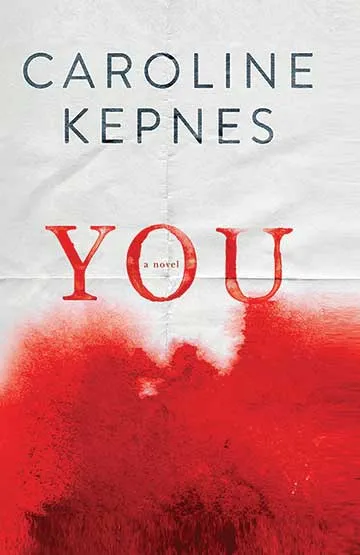
You by Caroline Kepnes
0,00 ৳
0,00 ৳
Caroline Kepnes’s "You" (2014) is a brilliant, chilling, and darkly satirical dive into the mind of a sociopath. While many are familiar with the hit Netflix series, the original novel is often considered even more disturbing because it is written entirely in the second person.
The narrator, Joe Goldberg, addresses the object of his obsession directly as "You," pulling the reader into his twisted, self-justifying logic.
The story begins in a boutique bookstore in New York City. Joe Goldberg, the bookstore manager, meets Guinevere Beck, an aspiring writer.
The Obsession: From a single interaction, Joe decides that Beck is "the one." He uses social media, the internet, and physical stalking to weave himself into every aspect of her life.
The "Hero" Complex: In Joe’s mind, he isn't a stalker or a killer; he is a romantic hero. He believes he is "saving" Beck from her toxic friends, her unfaithful boyfriend, and her own bad decisions.
The Escalation: To ensure he is the only person in Beck’s life, Joe begins to systematically remove the "obstacles" in his way—by any means necessary.
The Dangers of Social Media: The book is a scathing critique of how much personal information we share online. Joe barely has to work to find Beck’s address, her friends' secrets, and her daily routine.
Toxic Masculinity & the "Nice Guy" Trope: Joe is the ultimate "Nice Guy." He is well-read, sensitive, and seemingly supportive, but underneath, he is possessive and violent. The book deconstructs the classic romantic comedy tropes and shows how they can be used to mask predatory behavior.
Perspective and Gaslighting: Because we only see the world through Joe’s eyes, the narrative is incredibly biased. He gaslights the reader just as much as he gaslights Beck, making his horrific actions sound "logical" or "necessary."
The use of "You" throughout the book is its most powerful tool:
It makes the reader feel like an accomplice to Joe’s crimes.
It creates an intense, claustrophobic atmosphere.
It highlights Joe’s delusional intimacy—he feels he knows Beck better than she knows herself.
If you’ve seen the show, the book will still surprise you:
Darker Tone: The book version of Joe is much more cynical, vulgar, and less "likable" than Penn Badgley’s portrayal.
Internal Monologue: The book allows for a much deeper (and scarier) exploration of Joe's internal justifications and his absolute lack of remorse.
The Ending: Without giving away spoilers, the ending of the first book is even grimmer than the first season of the show.
Psychological Depth: It is one of the most effective psychological thrillers of the last decade.
Cultural Commentary: It reflects our modern obsession with "connectivity" and how it actually creates distance and vulnerability.
Pacing: Once you start, Joe's frantic, obsessive voice makes it almost impossible to put the book down.
The Joe Goldberg Philosophy: > "The problem with books is that they end. They leave you to your own devices."