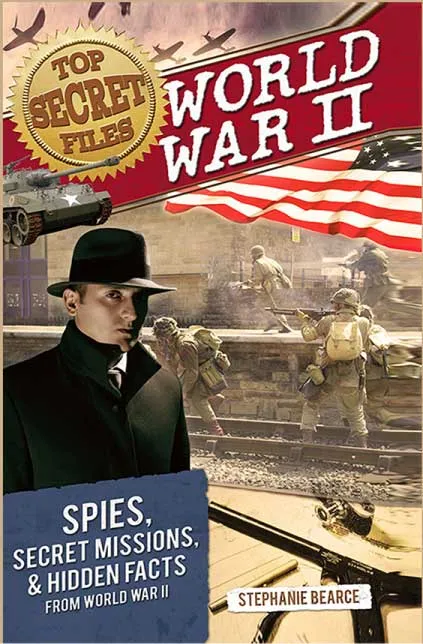
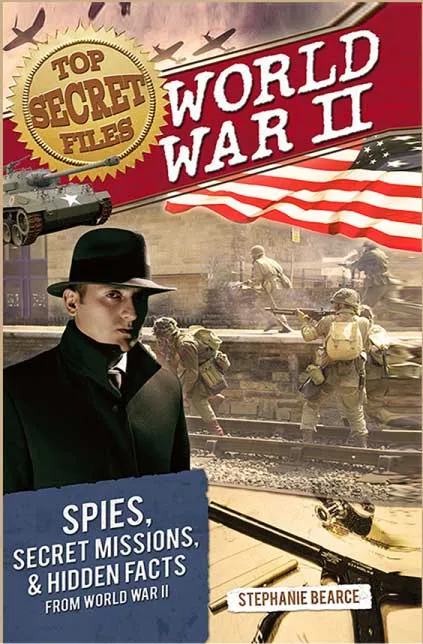
World War II by Stefhanie Bearce
0,00 ৳
0,00 ৳
Stephanie Bearce’s "World War II" (part of the Voices from History or Explore Your World series) is an engaging, educational look at the conflict specifically designed for younger readers and students.
Unlike dense academic texts, Bearce focuses on the human experience, using primary sources, personal anecdotes, and interactive elements to make the 1940s feel immediate and real.
The hallmark of Bearce's writing is her use of first-hand accounts. She moves beyond just dates and maps to highlight:
The Soldiers: Stories from the front lines in Europe and the Pacific.
The Home Front: How children and families contributed to the war effort through victory gardens, scrap metal drives, and rationing.
Hidden Heroes: A focus on the diverse groups who played pivotal roles, such as the Tuskegee Airmen, the Navajo Code Talkers, and women like the "WASPs" (Women Airforce Service Pilots).
Bearce breaks down the massive global conflict into digestible "lessons" or chapters:
The Causes: A simplified but accurate explanation of the rise of dictators and the failure of appeasement.
The Technology: From the development of radar and code-breaking (like the Enigma machine) to the terrifying power of the atomic bomb.
Daily Life: What it was actually like to live in a London bomb shelter during the Blitz or to live in a Japanese-American internment camp.
Many of Bearce's books include "Activities" or "Think About It" sections that encourage readers to engage with history:
Deciphering Codes: Introducing basic cryptography similar to what was used during the war.
Primary Source Analysis: Looking at real letters and photographs to determine how people felt at the time.
Critical Thinking: Asking readers to consider the difficult ethical choices made by world leaders.
Clarity: It avoids overly complex military jargon, making it accessible for middle-grade readers (ages 8–12).
Visuals: The books are typically high-impact, featuring archival photographs, maps, and sidebars that prevent "text fatigue."
Empathy: By focusing on individual stories, Bearce helps young readers develop empathy for the people who lived through one of the darkest chapters of human history.
Bearce often helps students distinguish between the two primary theaters of war:
| Feature | The European Theater | The Pacific Theater |
| Primary Enemy | Nazi Germany & Fascist Italy | Imperial Japan |
| Terrain | Cities, forests, and snowy plains | Tropical islands and vast oceans |
| Key Event | D-Day (Invasion of Normandy) | Attack on Pearl Harbor / Midway |
| End Date | V-E Day (May 1945) | V-J Day (August 1945) |
"Stephanie Bearce turns 'history' into 'stories,' reminding us that the greatest conflict in human history was fought by ordinary people doing extraordinary things."