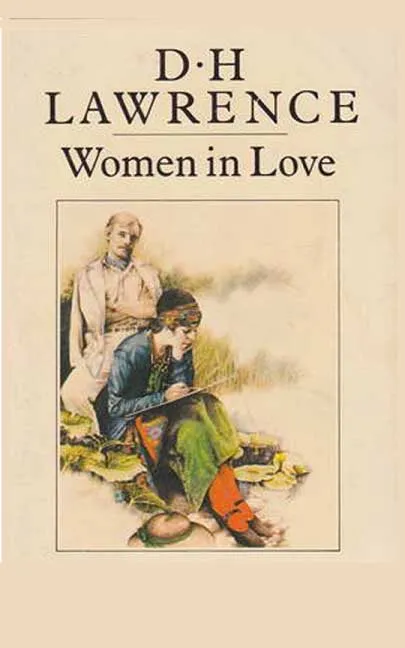
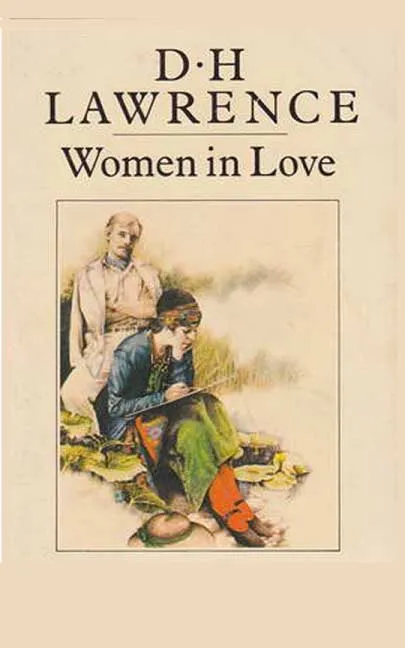
Women in Love by D.H. Lawrence
0,00 ৳
0,00 ৳
D.H. Lawrence’s "Women in Love" (1920) is widely considered his modernist masterpiece. A sequel to his earlier novel The Rainbow, it continues the story of the Brangwen sisters, Ursula and Gudrun, as they navigate the intellectual and sexual tensions of post-World War I England.
The book is famous (and was initially controversial) for its intense exploration of human psychology, the "war" between the sexes, and the search for a new kind of spiritual connection in an increasingly industrial world.
The story follows the contrasting relationships of two couples in the Midlands:
Ursula Brangwen and Rupert Birkin: Ursula (a schoolteacher) and Birkin (a school inspector, often seen as a stand-in for Lawrence himself) seek a "star-equilibrium"—a relationship where two people are united but remain independent individuals.
Gudrun Brangwen and Gerald Crich: Gudrun (an artist) and Gerald (the ruthless heir to a coal-mining empire) have a much darker, more destructive connection. Their relationship is characterized by a struggle for dominance and a sense of "mechanical" passion.
The Struggle for Individual Identity: Lawrence explores the idea that for a relationship to truly work, both people must maintain their "otherness." Birkin famously argues against the "merging" of souls.
Industrialism vs. Vitalism: The character of Gerald Crich represents the "industrial machine"—efficient, cold, and ultimately soul-destroying. Lawrence contrasts this with the "vital" or primitive forces of nature and blood.
Male Bond (The "Blutbrüderschaft"): A significant theme is the intense, almost spiritual friendship between Birkin and Gerald. The famous naked wrestling scene symbolizes their attempt to find a physical and emotional "blood-brotherhood" that transcends traditional societal norms.
Modernist Dissolution: Written in the shadow of the Great War, the book reflects a sense that the old Victorian world has ended and that humanity is searching for a new, perhaps darker, way to exist.
Repetitive, Rhythmic Prose: Lawrence uses a specific, almost incantatory style to describe internal emotional states. He often focuses on "the blood" or "the loins" to represent instincts over intellect.
Nature as a Mirror: The landscape—from the damp English countryside to the frozen, deathly heights of the Tyrolese Alps—reflects the internal emotional temperature of the characters.
The "Moony" Scene: One of the most famous passages involves Birkin throwing stones at the reflection of the moon in a pond, an attempt to shatter the "cold," distant female principle and find something more profound.
When it was first published, the book was attacked for its "obscenity" and its frank depiction of sexual desire and male intimacy. However, Lawrence wasn't interested in "smut"; he was trying to create a new language for the subconscious and the "irrational" parts of the human experience.
| Feature | Ursula & Birkin | Gudrun & Gerald |
| Nature of Love | Searching for balance/growth | Destructive/Will-driven |
| Philosophical View | Life-affirming, seeking "newness" | Cynical, mechanical, death-oriented |
| Ending | Survival and escape to the South | Tragedy and "frozen" isolation |
"He wanted a further conjunction, where man had no more ago, no more self-will, but was a pure substance in the midst of the Godhead."