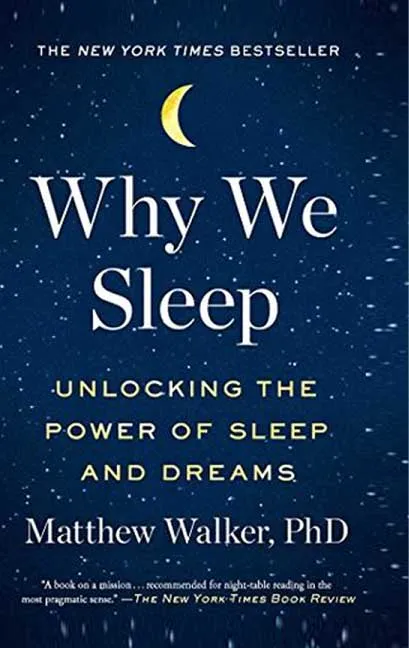
Why We Sleep by Matthew Walker, PhD
0,00 ৳
0,00 ৳
Matthew Walker’s "Why We Sleep: Unlocking the Power of Sleep and Dreams" (2017) is a groundbreaking work of popular science that transformed the global conversation about health. Walker, a professor of neuroscience and psychology at UC Berkeley, argues that sleep is not a luxury or a "passive" state, but a sophisticated, life-sustaining biological necessity.
The book posits that the "silent sleep loss epidemic" is the greatest public health challenge of the 21st century, linked to nearly every major physical and mental disease.
Walker explains that our desire to sleep is governed by two distinct internal forces that usually work in harmony:
Circadian Rhythm: Our internal 24-hour clock (located in the suprachiasmatic nucleus) that responds to light and darkness.
Sleep Pressure (Adenosine): A chemical that builds up in the brain every hour we are awake. The more adenosine we have, the sleepier we feel. Caffeine works by "masking" these adenosine receptors, tricking the brain into thinking it's alert.
Walker breaks down the two main types of sleep, which cycle approximately every 90 minutes. Both are essential, but they serve different functions:
| Sleep Type | Primary Function | "The Metaphor" |
| NREM (Deep Sleep) | Physical repair, immune boosting, and "weeding" out unnecessary neural connections. | The File Clerk: Moving memories from short-term to long-term storage. |
| REM (Dream Sleep) | Emotional processing, creativity, and complex problem-solving. | The Therapist: Softening the "sharp edges" of emotional trauma. |
The most alarming parts of the book detail what happens when we consistently get less than seven to eight hours of sleep:
The Brain: Significant impairment in learning and memory. Walker famously notes that "you cannot pull an all-nighter and expect the brain to retain information."
The Heart: Increased risk of cardiovascular disease. He points to "the world's largest sleep study"—Daylight Savings Time—where a 1-hour loss of sleep leads to a 24% increase in heart attacks the following day.
The Immune System: A single night of four hours of sleep can reduce "Natural Killer" cell activity (which fights cancer) by 70%.
Mental Health: Sleep deprivation is a key trigger for anxiety, depression, and emotional volatility.
Walker proposes that dreaming is not random "noise." Instead, REM sleep provides two vital benefits:
Overnight Therapy: Dreaming about emotional events helps strip away the painful "charge" of the memory, allowing us to remember the event without the visceral trauma.
Creative Incubation: During REM, the brain makes "long-distance" connections between unrelated ideas, which is why we often wake up with the solution to a problem we couldn't solve the day before.
If you want to improve your "sleep hygiene," Walker recommends these evidence-based steps:
Stick to a Schedule: Go to bed and wake up at the same time every day, even on weekends.
Keep it Cool: Your body temperature needs to drop by about 1°C to initiate sleep. A room temperature around 18°C is ideal.
Darkness is Key: Avoid blue light from screens an hour before bed; it suppresses the release of melatonin.
Don’t Lie Awake: If you can't sleep after 20 minutes, get out of bed and do a quiet activity (like reading) until you feel tired. Don't let your brain associate the bed with being awake.
Avoid Caffeine and Alcohol: Caffeine has a "half-life" of about 6 hours; alcohol may help you fall asleep, but it fragments your sleep and blocks REM cycles.
"Sleep is the single most effective thing we can do to reset our brain and body health each day—Mother Nature's best effort yet at contra-death."