White Fragility by Robin Diangelo
0,00 ৳
0,00 ৳
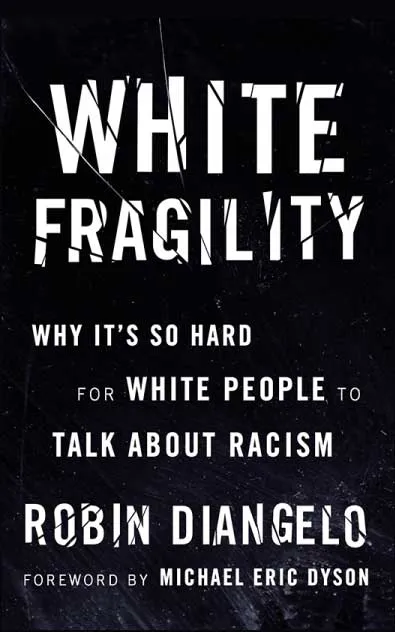
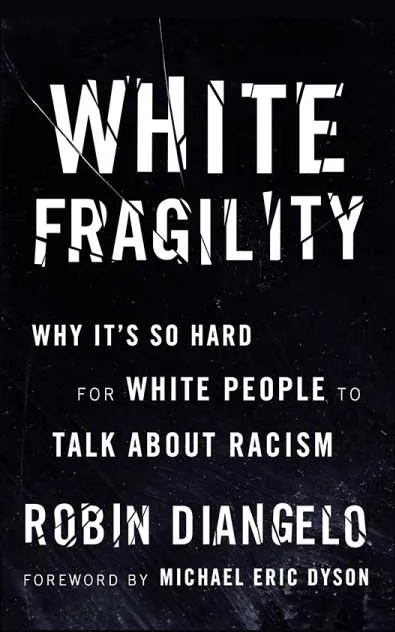
Robin DiAngelo’s "White Fragility: Why It’s So Hard for White People to Talk About Racism" (2018) is a foundational work in contemporary sociology and critical race theory. It explores the defensive reactions White people often have when their assumptions about race are challenged, arguing that these reactions function to maintain white supremacy.
The book spent over a year on the New York Times bestseller list and became a central text for diversity, equity, and inclusion (DEI) training globally.
DiAngelo defines White Fragility not as "weakness," but as a state in which even a minimum amount of racial stress becomes intolerable. This stress triggers a range of defensive moves, including:
Emotions: Anger, fear, guilt, or "white tears."
Behaviors: Argumentation, silence, or leaving the stress-inducing situation.
The Result: These responses shut down the conversation and reinstate white racial equilibrium, protecting the racial status quo.
One of the book’s most significant contributions is its critique of how society defines "racist."
The Binary: Most people believe that being a "racist" means you are an intentionally mean person who dislikes people of color based on their race. Therefore, to be "good" is to be "not racist."
The Problem: Because nobody wants to be "bad," White people often react with extreme defensiveness to any suggestion that they have been socialized into a racist system. DiAngelo argues that racism is systemic and institutional, not just a matter of individual "badness."
Racial Insulation: DiAngelo argues that White people in Western society live in a state of "social environment that protects and insulates them from race-based stress." Because they rarely have to think about their own race, they lack the "racial stamina" to engage in difficult conversations.
Universalism and Individualism: White people are taught to see themselves as "individuals" rather than members of a racial group. This allows them to deny the collective advantages of Whiteness.
Aversive Racism: The book highlights how well-meaning "liberals" can still perpetuate racism through unconscious biases and the refusal to acknowledge their own participation in a racial hierarchy.
DiAngelo identifies specific phrases and mindsets used to deflect racial accountability:
"I don't see color": This "colorblindness" denies the reality of the lived experiences of people of color.
"I was taught to treat everyone the same": This focuses on intent rather than the actual impact of systemic inequality.
"I have [Black/Brown] friends/family": Used as a "credential" to prove immunity from racist conditioning.
While widely praised as a tool for self-reflection, White Fragility has also faced significant criticism:
From the Right: Critics argue it promotes "collective guilt" and essentializes people based on their race.
From the Left: Some scholars (including John McWhorter) argue the book is "condescending" toward people of color and that it focuses too much on White internal feelings rather than material policy changes.
The "Double Bind": Some argue that the theory creates a "Catch-22" where denying that you are fragile is seen as further proof of your fragility.
| Strategy | Fragile Response | Productive Response |
| Feedback | "I'm not a racist, you misunderstood me." | "Thank you for the feedback; I need to sit with this." |
| Focus | Focuses on intent (I didn't mean to). | Focuses on impact (This is how it felt). |
| Action | Defensiveness and withdrawal. | Active listening and self-education. |
"White Fragility is the primary means by which White people maintain the racial status quo. To overcome it, one must move beyond the need for comfort and embrace the discomfort of racial learning."