


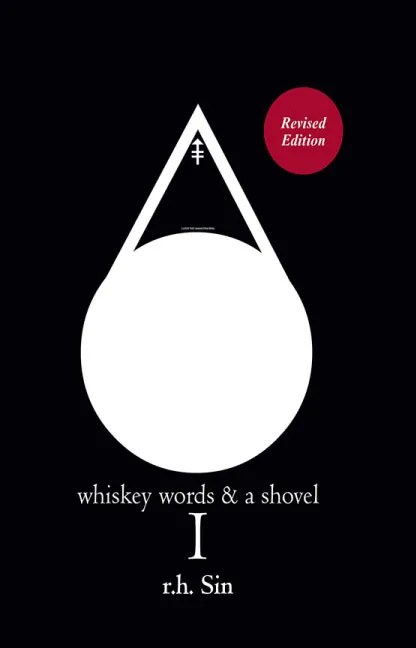
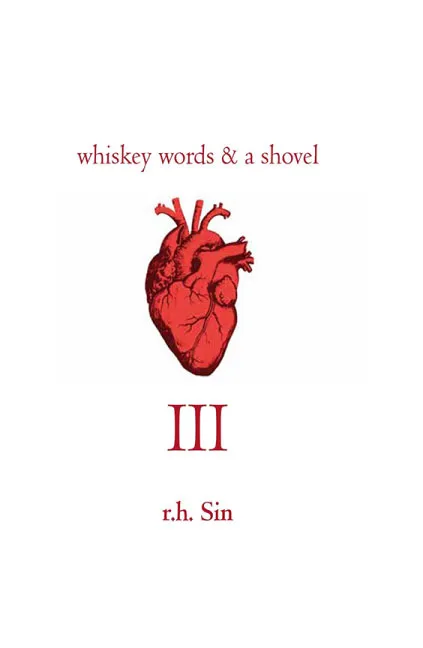
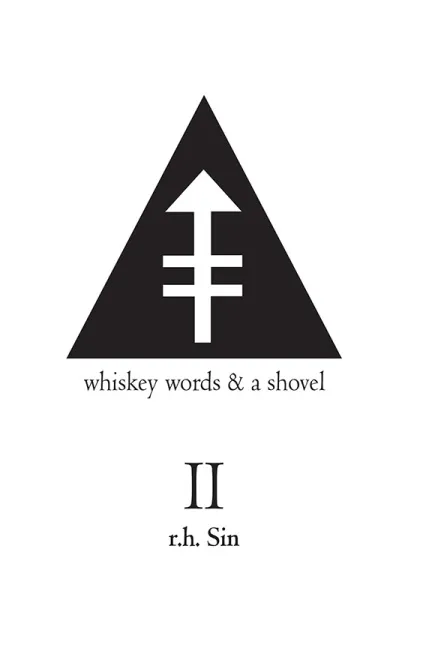
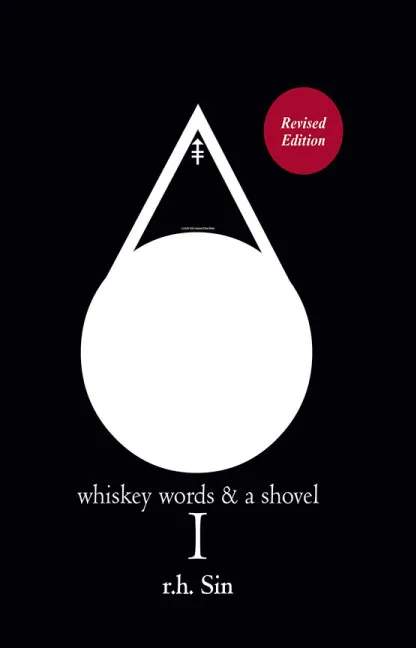
Whiskey Words & a Shovel I to III by R.H. Sin
0,00 ৳
0,00 ৳
R.H. Sin’s "Whiskey Words & a Shovel" trilogy (Volumes I, II, and III) is a cornerstone of the "Instapoet" movement. Known for his raw, minimalist, and deeply emotive style, Sin (real name Reuben Holmes) focuses on themes of heartbreak, self-worth, and the strength required to leave toxic relationships.
The series is particularly popular for its "direct-to-soul" approach, often reading like a late-night conversation with a friend who is telling you exactly what you need to hear.
Across all three volumes, the central message is the reclamation of one's identity after it has been bruised by someone else.
The "Whiskey": Represents the numbing, raw, and often intoxicating nature of pain and memory.
The "Shovel": Represents the hard work of burying the past, digging oneself out of a hole, and planting the seeds for a new life.
The "Words": The bridge between the two—the tool used to process the intoxication of love and the labor of healing.
The first book is the most raw. It focuses heavily on the immediate aftermath of a breakup. It introduces Sin’s signature style: short, punchy verses that often lack traditional punctuation or capitalization, emphasizing a stream-of-consciousness feeling.
Key Focus: Realizing that the person you loved wasn't good for you.
The second volume shifts toward the internal struggle of moving on. It deals with the "relapse" of missing someone and the slow realization that being alone is better than being poorly loved.
Key Focus: Boundaries and the importance of saying "no" to people who only take.
The final installment is the most "empowered." It focuses on the "after" state—where the narrator has found peace and is now observing the world with a guarded but open heart.
Key Focus: Maturity, radical self-care, and the wisdom gained from scars.
Brevity: Many poems are only two or three lines long, designed to be read in a single breath and shared easily on social media.
Direct Address: He often writes in the second person ("You"), making the reader feel like the protagonist of the healing journey.
Lower Case/Lack of Punctuation: This stylistic choice suggests a lack of pretension, making the poetry feel modern, accessible, and "unfinished," much like the process of healing.
Validation: For readers in painful relationships, Sin’s words act as a mirror, validating their feelings of exhaustion and mistreatment.
The "Protective" Tone: Sin often writes from a perspective that feels protective of women’s hearts, calling out the behavior of "men who aren't ready" and encouraging women to raise their standards.
Aesthetic Appeal: The stark, black-and-white layout of the books matches the "all or nothing" emotional tone of the poetry.
| Theme | Common Sentiment |
| Toxic Love | "He didn't love you, he loved the way you loved him." |
| Healing | "You are allowed to be both a masterpiece and a work in progress." |
| Loneliness | "There is a difference between being alone and being lonely." |
| Strength | "Your value does not decrease based on someone’s inability to see your worth." |
"R.H. Sin doesn't write for the critics; he writes for the broken-hearted. His work is a reminder that leaving is sometimes the most courageous thing you can do for yourself."