

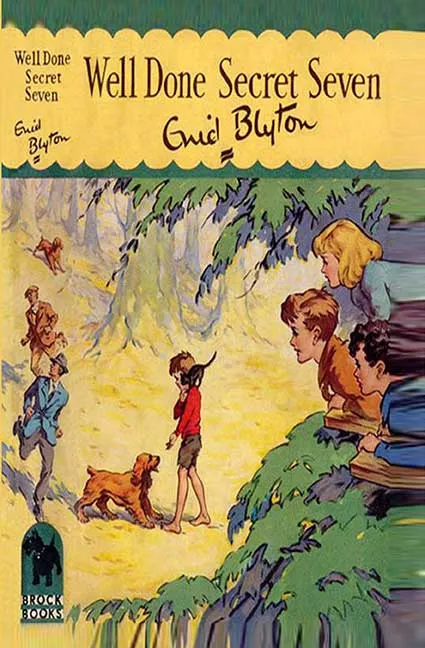
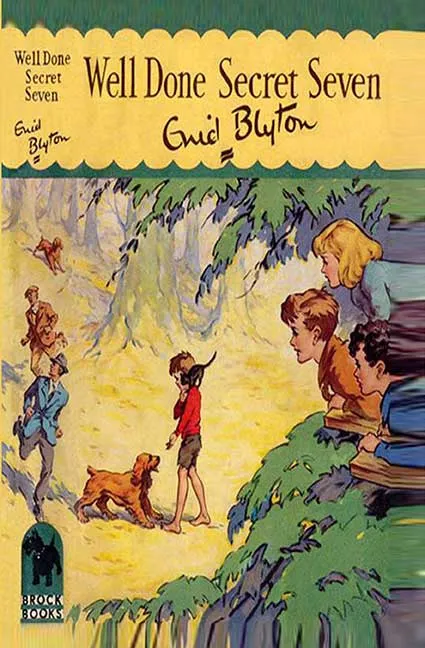
Well Done Secret Seven
0,00 ৳
0,00 ৳
Enid Blyton’s "Well Done Secret Seven" (1951) is the third installment in the iconic Secret Seven series. As a staple of mid-century British children’s detective fiction, this entry is often remembered for its atmospheric setting—a summer heatwave—and a mystery that begins with a simple quest for a cool place to meet.
The book captures the quintessential "Blytonesque" spirit: children operating independently, using their wits to thwart criminals, and, of course, plenty of snacks.
The story begins during a scorching summer. The Secret Seven (Peter, Janet, Jack, Barbara, Pam, Colin, and George) find their usual meeting place, the shed, too hot to endure.
The New HQ: To escape the heat, the group builds a clever "treehouse" in a large, leafy tree at the bottom of the garden.
The Intruder: While the children are away, someone begins using their treehouse. They discover a dirty cushion and some strange items, leading them to realize a runaway or a stranger is hiding in their secret sanctuary.
The Twist: The "intruder" isn't a thief, but a boy named Benny whose uncle is involved in a dangerous plot. This shifts the mystery from a simple case of trespassing to a race to stop a major crime involving a stolen mailbag.
The Secret Seven operates with a strict military-like hierarchy that was a hallmark of the series:
Peter: The leader. He is firm (sometimes bossy) and insists on the "password" and "badge" at every meeting.
Janet: Peter’s sister. She is often the one who provides the creative ideas and keeps the peace.
Jack: Peter’s best friend and the most reliable member. His annoying sister, Susie, often tries to prank the society, providing the book's comedic tension.
Scamper: The Golden Spaniel. While not an official "human" member, Scamper is the group's protector and often sniffs out the most important clues.
Independence and Resourcefulness: Like many books of this era, the children solve problems without adult intervention. They build their own shelter and conduct their own stakeouts.
Social Responsibility: Despite their young age, the Seven have a strong moral compass. They don't just want to "catch a bad guy"; they want to help Benny, the boy caught in the middle.
The "Club" Mentality: The book emphasizes the importance of rules, secret codes, and belonging—elements that made the series incredibly popular with young readers who wanted to start their own clubs.
Enid Blyton’s two most famous groups are often compared. Here is how Well Done Secret Seven fits into that dynamic:
| Feature | The Secret Seven | The Famous Five |
| Number of Members | 7 + 1 Dog | 4 + 1 Dog |
| Location | Usually their home village/garden. | Often on holiday/remote islands. |
| Mystery Style | Local "street-level" detective work. | Grand adventures and treasure hunts. |
| Organization | Formal (badges, passwords, meetings). | Informal (group of cousins/friends). |
Atmosphere: Blyton is a master at describing the sensory details of a British summer—the "heavy, still air," the "crackling leaves," and the cooling ginger beer.
Pacing: The chapters are short and end on "hooks," making it an ideal "first mystery" for younger readers.
The "Secret" Element: The idea of a hidden treehouse that only seven people know about remains a universal childhood fantasy.
"It wasn't just about the mystery; it was about the thrill of having a world that adults didn't belong to—a world where a password and a badge were the only currency that mattered."