

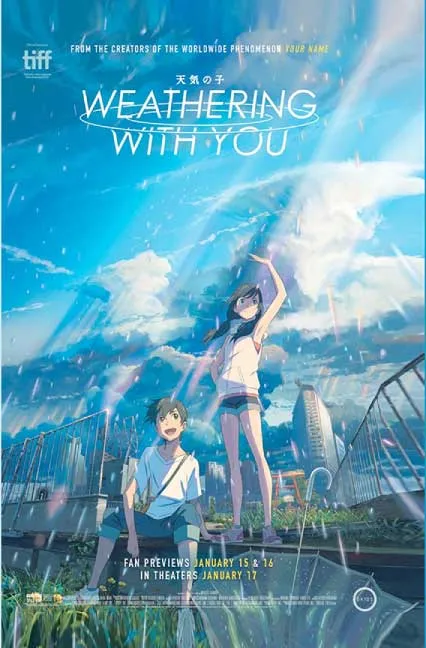
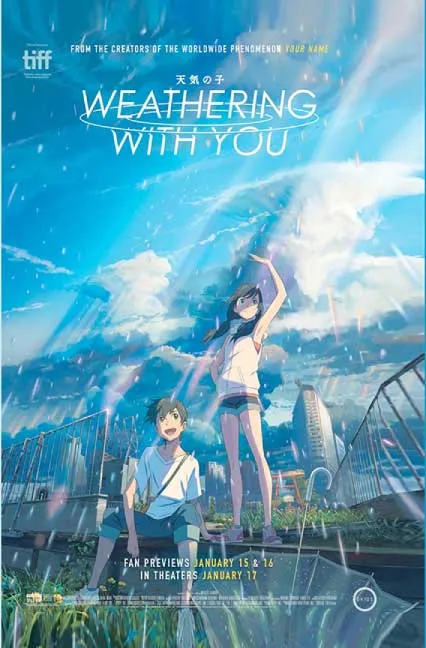
Weathering with You
0,00 ৳
0,00 ৳
Makoto Shinkai’s "Weathering with You" (Tenki no Ko, 2019) is a breathtaking supernatural romance that serves as the spiritual successor to his global hit, Your Name. While most famous as an anime film, Shinkai also wrote a light novel (published concurrently) that offers deeper psychological insight into the characters' internal struggles.
The story is a modern-day myth set in a Tokyo plagued by endless, torrential rain, exploring a world where the climate has spiraled out of control and the only "fix" requires a heart-wrenching sacrifice.
The narrative centers on two teenagers navigating the fringes of society in a waterlogged metropolis:
Hodaka Morishima: A high school freshman who runs away from his remote island home to Tokyo. He is penniless and undocumented, eventually finding work as a writer for a shady occult magazine run by a man named Suga.
Hina Amano: A cheerful but burdened girl who works part-time to support her younger brother, Nagi. She possesses a mysterious power: by praying, she can temporarily part the clouds and bring out the sun.
The Business: Hodaka and Hina start a "Sunshine Girl" service, taking requests from people who need clear skies for weddings, festivals, or simple moments of happiness. However, they soon discover that manipulating the weather comes with a terrifying physical price for the "Weather Maiden."
Individual vs. Society: Unlike many disaster stories where the hero sacrifices themselves for the "greater good," this story asks: Is it fair to ask one person to carry the weight of the world? * The Environment and Choice: The relentless rain is often seen as a metaphor for climate change. Shinkai challenges the idea that the world was ever "normal" or that it is the responsibility of the youth to fix the mistakes of nature (or previous generations) at the cost of their own lives.
Urban Loneliness: The first act vividly portrays the cold, indifferent side of Tokyo—shady back alleys, expensive fast food, and the difficulty of surviving without a support system.
Divine Sacrifice: The plot draws on Shinto folklore regarding "Weather Maidens" (hare onna), who historically were believed to be human sacrifices sent to the sky to appease the gods of the elements.
| Character | Role | Motivation |
| Hodaka | The Protagonist | Seeking freedom from a stifling home life; desperately wants to protect Hina. |
| Hina | The "Sunshine Girl" | Trying to keep her family together; feels a duty to use her gift for others. |
| Suga | The Mentor/Employer | A cynical widower who sees his younger, rebellious self in Hodaka. |
| Natsumi | Suga’s Assistant | A job-hunting college student who provides a "big sister" energy and drives the plot forward with her research. |
Since you have an interest in writing and literary architecture, the light novel version of Weathering with You is particularly noteworthy:
Multiple Perspectives: While the film is primarily Hodaka’s journey, the novel includes chapters from the points of view of Hina, Suga, and Natsumi, giving their actions much more emotional weight.
Hodaka's Backstory: The book explicitly explains why Hodaka ran away (alluding to an abusive relationship with his father), a detail the movie leaves largely to the viewer's imagination.
The Ending's Inner Monologue: The novel’s prose provides a more philosophical "closing argument" for the controversial final choice the characters make, framing it as a radical act of love in a broken world.
The Rain: Shinkai’s "hyper-realist" animation makes the rain feel like a living character—sometimes beautiful and sparkling, sometimes oppressive and heavy.
RADWIMPS Soundtrack: As with Your Name, the band RADWIMPS composed the entire score. The lyrics of songs like "Is There Still Anything That Love Can Do?" are intentionally woven into the themes of the story.
The Sky Fish: The presence of mysterious, translucent creatures in the clouds adds a layer of "Ecological Horror" to the fantasy elements.
"I don't care if the sun never comes back! I'd rather have you than a blue sky!" — This line defines the movie's defiant stance: that the world’s weather is less important than the person standing right in front of you.