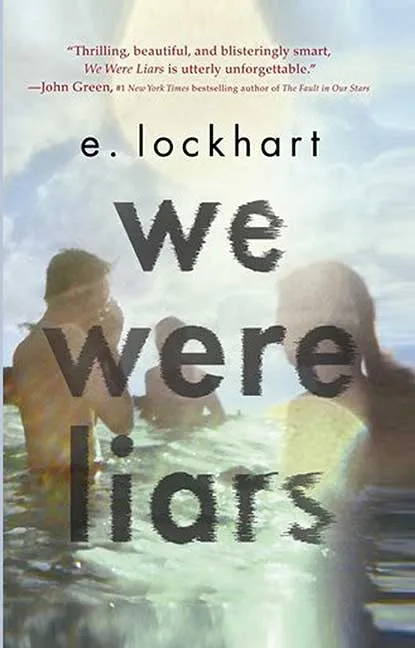
We Were Liars by E. Lockhart
0,00 ৳
0,00 ৳
E. Lockhart’s "We Were Liars" (2014) is a sophisticated, suspenseful, and emotionally devastating young adult novel. It is best known for its "shatter-proof" plot twist, its minimalist, poetic prose, and its biting critique of the American aristocracy.
The story follows the wealthy, seemingly perfect Sinclair family, who spend every summer on their private island, Beechwood. But beneath the tan lines and sailboats lies a story of transition, trauma, and a secret that has been "washed away."
The narrative is led by Cadence Sinclair Eastman, the eldest grandchild of the family patriarch, Harris Sinclair.
The Liars: Cadence, along with her cousins Johnny and Mirren, and an outsider named Gat, form a tight-knit group known as "The Liars." Gat is the son of Johnny’s mother’s partner—an outsider who challenges the Sinclairs' narrow worldview.
The Incident: During "Summer Fifteen," Cadence suffers a mysterious head injury. she wakes up on the beach with selective amnesia and debilitating migraines.
The Return: After skipping a summer to recover, Cadence returns to Beechwood for "Summer Seventeen." She is determined to piece together the truth of what happened during that lost summer, even as her family remains strangely silent.
The Burden of Legacy: The Sinclairs are "old money." They are expected to be tall, blonde, and athletic, and to never show weakness. The book explores how this pressure to maintain a perfect facade leads to moral rot.
Greed and Inheritance: While the grandchildren are close, their mothers (the three Sinclair sisters) are locked in a bitter, "King Lear"-esque battle over their father’s fortune and the houses on the island.
First Love and Class: The romance between Cadence and Gat is central. Gat acts as a mirror, forcing Cadence to see the "privilege" and casual racism inherent in her family’s lifestyle.
Memory and Truth: The book plays with the idea that the brain sometimes hides the truth to protect the heart. Cadence’s journey is a literal reconstruction of her own identity.
E. Lockhart uses a very specific "Modernist" style for this book:
Short, Punchy Sentences: The prose is sparse, reflecting Cadence’s fractured mental state.
Metaphorical Violence: Cadence often describes her emotional pain in visceral, physical terms (e.g., "Then he pulled out a handgun and shot me in the chest").
Fairytale Interludes: Periodically, Cadence rewrites her family’s history as dark fairytales involving kings, princesses, and dragons, which provides a symbolic look at the family's dysfunction.
| Character | Role | Trait |
| Cadence (Cady) | The Narrator | Sensitive, observant, and struggling with "the accident." |
| Gatwick (Gat) | The Outsider | Intellectual, ambitious, and deeply critical of the Sinclairs. |
| Johnny | The Rebel | Funny, loud, and the one who refuses to take the family seriously. |
| Mirren | The Peacemaker | Irritatingly "perfect" on the surface, but deeply loyal to the group. |
The "Twist": The ending of We Were Liars is legendary in contemporary fiction. It is a "Sixth Sense" level reveal that forces you to re-read the entire book immediately to see all the clues you missed.
The Aesthetic: The book captures the specific feeling of a "New England Summer"—white linen, cold water, and expensive wine—while slowly stripping away the glamour to reveal the tragedy beneath.
Emotional Resonance: Beyond the mystery, it is a deeply moving story about the lengths people will go to for love and the devastating consequences of youthful mistakes.
"Be a little kinder than you have to be. And never, ever believe a Sinclair when they tell you they are fine."