

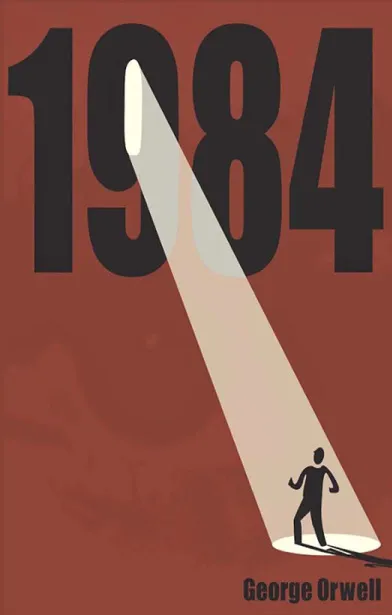
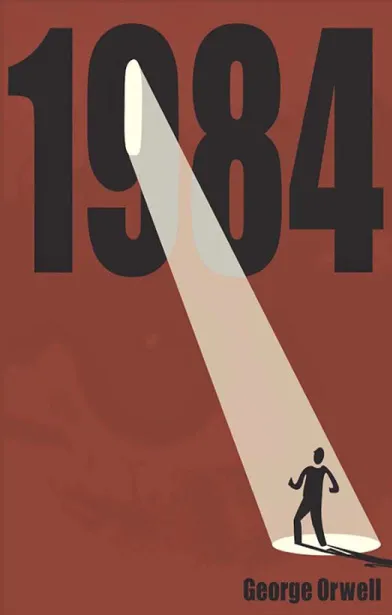
1984 by George Orwell
0,00 ৳
0,00 ৳
George Orwell’s "1984" (published in 1949) is perhaps the most famous dystopian novel ever written. It isn’t just a story; it’s a terrifyingly accurate warning about the dangers of totalitarianism, mass surveillance, and the manipulation of truth.
Even decades later, the terms Orwell coined—like Big Brother, Thought Police, and Doublethink—remain part of our daily political vocabulary.
The story is set in a grim, futuristic version of London, the capital of a superstate called Oceania. The world is divided into three perpetually warring territories.
The Party: The ruling elite, led by the mysterious and omnipresent Big Brother.
The Proles: The working-class masses who are kept ignorant and distracted by cheap entertainment.
Constant Surveillance: "Big Brother is Watching You" isn't just a slogan; two-way "telescreens" in every home monitor every word and facial expression.
Winston is a minor party official who works at the Ministry of Truth. His job is to rewrite history—literally changing old newspaper records to match the Party's current narrative.
The Rebellion: Winston starts a secret diary (a "thoughtcrime") and enters into a forbidden romance with a woman named Julia.
The Quest for Truth: His journey is an attempt to reclaim his humanity and memory in a world designed to erase both.
Orwell used "1984" to explore how a government can control not just what people do, but what they think:
Newspeak: A language designed to shrink vocabulary. If there is no word for "freedom," the concept of freedom eventually dies.
Doublethink: The ability to hold two contradictory beliefs in one's mind simultaneously and accept both (e.g., "War is Peace," "Freedom is Slavery").
Memory Hole: A system for destroying inconvenient documents, effectively "un-personing" individuals and erasing historical facts.
Post-Truth Era: In an age of "alternative facts" and misinformation, Orwell’s description of a state that controls reality feels uncomfortably modern.
Tech Surveillance: With smartphones, algorithms, and facial recognition, the "telescreen" is no longer science fiction—it’s in our pockets.
The Loss of Privacy: It raises the ultimate question: Is it possible to remain an individual when your every move is tracked?
Unlike many heroic stories, "1984" is famous for its bleakness. It suggests that once a system gains absolute control over the human mind, resistance might be impossible. As the antagonist O'Brien says:
"If you want a picture of the future, imagine a boot stamping on a human face—forever."